
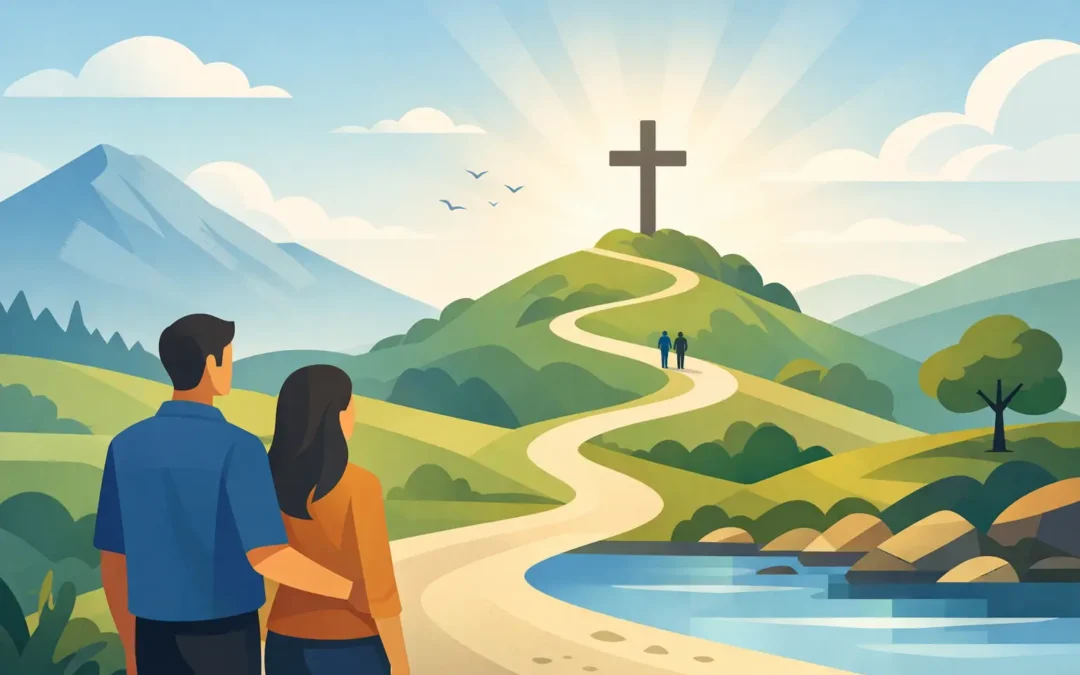
Some people come to church ready to grow. Others arrive carrying questions, stress, family pressure, or a quiet sense that life should feel more grounded than it does right now. A christian discipleship pathway guide helps make that next step clear. Instead of guessing what spiritual growth should look like, you can begin to see how God forms people over time through simple, faithful steps.
Discipleship is not about becoming impressive. It is about becoming more like Jesus in real life. That means how you respond at home, how you handle pressure at work, how you treat people, how you pray when life feels uncertain, and how you keep following Christ when your emotions are all over the place. Growth is deeply spiritual, but it is also very practical.
For many people, the hardest part is not desire. It is direction. They want to grow, but they are not sure where to begin or what should come next. A healthy pathway brings clarity. It gives people a place to start, a way to stay connected, and a purpose beyond simply attending a service.
What a Christian discipleship pathway guide should do
A good pathway should remove confusion, not create it. It should help a person move from curiosity to commitment, from isolation to community, and from passive faith to active obedience. It is not meant to pressure people into activity for activity’s sake. It is meant to create space for real transformation.
That matters because discipleship is rarely instant. Some people take quick steps and are ready to serve right away. Others need time to heal, rebuild trust, or learn the basics of faith. Both are normal. A church can be clear about the path without pretending every person moves at the same pace.
A strong discipleship pathway usually includes a few key movements. First, people encounter God through worship and biblical teaching. Then they begin building relationships in community. As faith deepens, they start practicing daily habits that strengthen their walk with Christ. Over time, they discover how to serve others, use their gifts, and live on mission.
Start with worship and the Word
For many people, discipleship begins with showing up consistently. That may sound simple, but it matters more than people think. Regular worship creates rhythm. It helps reset your heart around truth when the rest of the week has been noisy, demanding, or distracting.
Biblical teaching is part of that foundation. You cannot follow Jesus well if you do not know what He said and how He lived. A church service is not the only place that happens, but it is often the first place people begin to hear Scripture in a way that connects with daily life. Messages that speak to relationships, parenting, anxiety, purpose, and financial pressure help people see that faith is not separate from real life.
Still, worship attendance alone is not the finish line. It is a starting point. The goal is not simply to sit in a room once a week. The goal is to let God shape your mind and heart so truth becomes personal.
Christian discipleship pathway guide for real connection
No one follows Jesus well alone. Personal faith is real, but isolated faith is fragile. That is why community is such a big part of any christian discipleship pathway guide. Growth happens faster and deeper when people have others praying for them, encouraging them, and reminding them they are not the only ones working through hard things.
This is where small groups, ministry teams, and honest relationships matter. In a group setting, people can ask questions they would never ask in a crowd. They can talk about marriage stress, parenting struggles, grief, temptation, and doubt without feeling like they have to hide. They can celebrate wins too, because discipleship is not only about surviving hard seasons. It is also about learning to recognize God’s faithfulness in everyday life.
There is a trade-off here. Community takes time. It can feel easier to stay anonymous. Joining a group means people may actually know your story, and that can feel uncomfortable at first. But comfort is not the same as growth. Real discipleship requires some level of openness, even if that openness begins one honest conversation at a time.
Build daily habits that shape a growing faith
A Sunday experience can inspire you, but daily habits sustain you. If someone wants to grow in Christ, they need consistent practices that carry faith into Monday, Tuesday, and every ordinary moment in between.
Prayer is one of those habits. Not polished prayer. Honest prayer. The kind that says, Lord, I need wisdom for this conversation. I need patience with my kids. I need peace because my mind is racing. I need courage to forgive. Prayer keeps your relationship with God active and personal.
Reading Scripture matters too. Many believers get stuck because they assume Bible reading has to be complicated before it can be meaningful. It does not. Start with a Gospel. Read a small portion. Ask what it reveals about God, what it says about people, and what obedience looks like today. Consistency usually matters more than intensity.
Reflection and obedience are where many people either grow or stall. It is possible to hear truth and admire it without actually applying it. A mature pathway keeps asking, what is God inviting me to do with what I have learned? Sometimes the answer is forgiving someone. Sometimes it is setting a healthier boundary. Sometimes it is trusting God with an area you have been trying to control.
Serve others and discover your purpose
Discipleship is not only inward. It also turns outward. As people grow, they begin to recognize that God has given them gifts, experiences, and compassion that can bless others. Service is one of the ways faith becomes visible.
Serving in church life can be a powerful next step. It helps people move from consumer thinking to ownership and purpose. Instead of asking only what they received, they begin asking how they can help others encounter Jesus too. That may happen through welcoming guests, serving kids and students, supporting prayer ministry, helping behind the scenes, or participating in outreach and missions.
This stage is important, but timing matters. A person should not be rushed into serving if they are still in a season of deep crisis or instability. On the other hand, waiting forever is not healthy either. Sometimes serving is part of the healing process because it shifts your focus outward and reminds you that God can still use your life.
At True Life Church, this kind of next-step clarity matters because people need more than inspiration. They need a simple path toward belonging, growth, and purpose.
Expect growth to be steady, not perfect
One of the biggest misconceptions about discipleship is that mature Christians stop struggling. They do not. Mature Christians learn to bring their struggles to Jesus faster, respond to conviction more humbly, and stay connected when life gets hard.
That is why a healthy pathway leaves room for grace. People will miss weeks. They will have setbacks. They will need prayer, encouragement, and sometimes counseling support. Spiritual formation is not a straight line. It often includes progress, resistance, healing, and renewed surrender.
If you are leading your family, that principle matters even more. Parents often feel pressure to get everything right. But discipleship at home usually looks less like perfection and more like consistency. Pray together. Talk about Scripture. Ask good questions. Let your kids see repentance, gratitude, and real faith in action. That kind of example stays with them.
How to know your next step
If you feel stuck, do not overcomplicate it. Ask yourself a few honest questions. Am I regularly worshiping and hearing God’s Word? Am I connected to other believers in a real way? Do I have daily habits that keep my faith active? Am I serving anyone with what God has given me?
Wherever the answer is no, that is probably your next step.
For some, the next step is simply attending consistently instead of dropping in once in a while. For others, it is joining a group, asking for prayer, or finally opening the Bible for themselves. For someone else, it may be time to serve, reconcile a relationship, or trust Jesus for the first time in a deeper and more personal way.
You do not need to map out the next five years of spiritual growth today. You just need the courage to take the next faithful step. God meets people there, in ordinary obedience, and He is still changing lives one step at a time.