
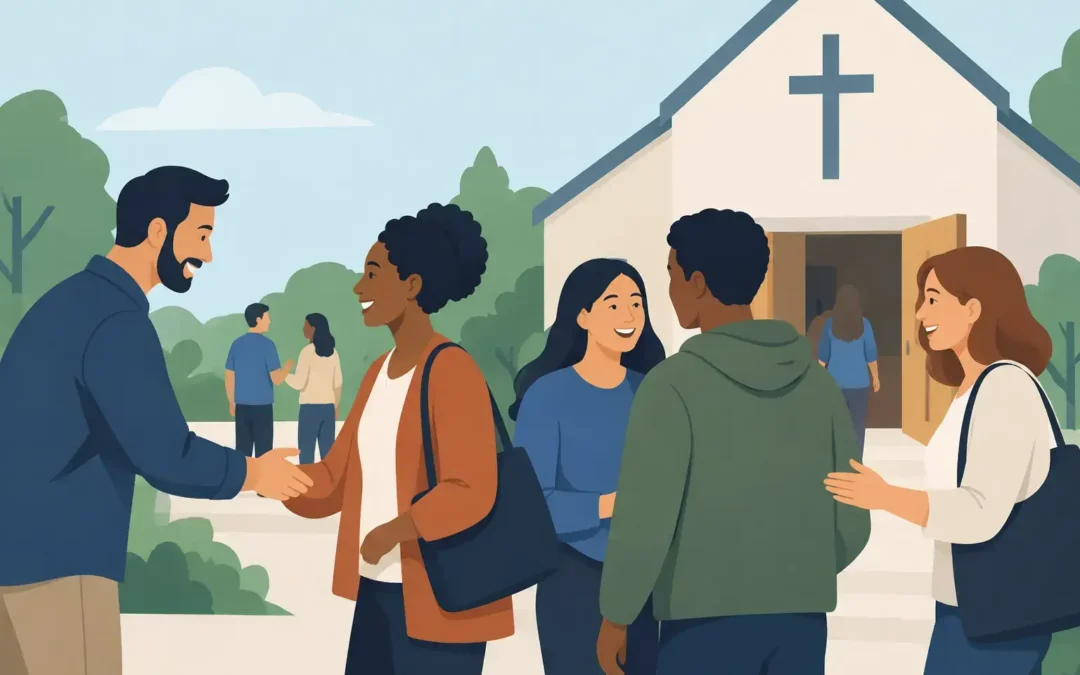
A family may pass your church building every week and still wonder, “Would anyone notice if we came?” A single parent may need prayer but feel unsure where to ask. A neighbor may be carrying grief, financial pressure, or questions about faith and assume church is not for people like them. Church outreach starts by seeing those people clearly – not as attendance numbers, but as neighbors God loves.
Outreach is more than promoting a service or planning a big event. It is the steady, personal work of meeting people with the hope of Jesus and creating a clear path toward belonging. When a church serves with humility, listens well, and follows through, people can experience the care of God in practical ways.
A Guide to Church Outreach That Starts With People
The purpose of outreach is not to make your church look busy. It is to love people in a way that reflects Jesus. He saw individuals in the crowd, listened to their needs, offered compassion, and invited them into a changed life.
That changes the question your team asks. Instead of beginning with, “How can we get more people to our next event?” begin with, “What are people in our community carrying right now, and how can we serve them?” The first question may produce a crowd. The second builds trust.
In communities like Middleburg, Fleming Island, Green Cove Springs, and Orange Park, needs can look different from one neighborhood to the next. Young families may be looking for safe, encouraging support for their kids. Teenagers may need mentors and a place where they can be known. Seniors may be isolated. People rebuilding after a difficult season may need a listening ear before they are ready to walk through church doors.
Prayer is the right place to begin. Ask God to help your church see the people already around you. Then pay attention. Talk with local school staff, nonprofit leaders, first responders, parents, and neighbors. Their perspective can keep outreach grounded in real needs rather than assumptions.
Build Outreach Around Real Relationships
Programs can open doors, but relationships are what help people stay connected. A well-planned food distribution, family night, or school supply drive is valuable, especially when it meets an immediate need. But the strongest outreach does not disappear when the event ends.
Make room for conversations. Train volunteers to introduce themselves, learn names, and ask simple questions such as, “How can we pray for you?” or “What would be helpful for your family right now?” There is no need to force a spiritual conversation. Be present, be kind, and be ready to share the hope you have when someone asks.
Follow-up matters just as much as the first interaction. If someone requests prayer, respond with care. If a family visits, offer a warm invitation to return and make their next step easy to understand. A personal message from someone they met can mean more than a generic announcement.
Healthy follow-up should feel like care, not pressure. Some people are ready to visit on Sunday. Others may first watch online, join a small group, or simply ask for prayer. Let people move at a pace where trust can grow. The goal is not to rush someone through a process. The goal is to help them take one meaningful step toward Jesus.
Make Every Invitation Clear and Personal
A vague invitation creates hesitation. “You should come sometime” is kind, but it leaves people wondering when to come, where to park, what to wear, and whether their children will be cared for.
A personal invitation answers those questions. Tell someone what they can expect. Offer to meet them before the service, sit with them, or show them where to check in their children. If they are not ready to attend in person, let them know they can watch online and connect when they feel comfortable.
This is where hospitality becomes ministry. A friendly greeting, clear signs, helpful kids ministry check-in, and volunteers who notice newcomers all communicate the same message: you are welcome here. Churches sometimes invest heavily in reaching people outside the building while overlooking their first ten minutes inside it. Both matter.
Serve With Consistency, Not Just Visibility
Large outreach events can create energy and introduce your church to new people. They also require time, volunteers, money, and careful planning. If your church has the capacity, a seasonal event can be a meaningful way to serve families and meet new neighbors.
Still, visibility alone is not the same as impact. A smaller effort repeated faithfully may serve your community better than one impressive event each year. Consider what your people can sustain with joy. A monthly prayer presence near a school, regular support for foster families, a recurring meal for first responders, or practical help for families facing hardship can build credibility over time.
Choose a focus that fits both the needs around you and the gifts within your church. Not every church needs to do every kind of outreach. One church may be especially equipped to support parents. Another may have skilled counselors, teachers, tradespeople, or students ready to serve. Start where God has already given your church compassion and capacity.
Consistency also protects your volunteers. Outreach should be life-giving, not an exhausting cycle of last-minute requests. Set clear roles, prepare people well, and celebrate stories of changed lives. When volunteers understand why their service matters, they are more likely to keep showing up with genuine joy.
Give People a Next Step After the First Yes
A person can attend an event, receive prayer, or visit a service and still feel unsure about what happens next. That is why clear next steps are essential. Every outreach effort should connect naturally to a pathway for deeper community and spiritual growth.
For some, the next step may be planning a Sunday visit. For others, it may be asking for prayer, exploring faith through a conversation, joining a group, or finding support for their children or teenagers. Keep those options simple. Avoid overwhelming a newcomer with every ministry opportunity at once.
At True Life Church, the heart behind each next step is simple: no one should have to navigate life alone. A welcoming service is a beginning, not the finish line. People grow as they build relationships, hear God’s Word, find support, and discover ways to use their gifts to serve others.
Your communication should reflect that same simplicity. Use everyday language. Explain what will happen. Tell people how to ask questions. Most importantly, make sure someone is ready to respond. A clear invitation without a caring response can leave people feeling overlooked.
Measure Faithfulness Alongside Results
It is wise to pay attention to participation, volunteer engagement, prayer requests, return visits, and group connections. These details can show what is working and where people may be getting stuck. But numbers do not tell every part of the story.
A meaningful conversation with one hurting person matters. A family that feels safe enough to return after a long absence from church matters. A teenager who finds a mentor, or a neighbor who accepts prayer for the first time, matters. God often works through moments we cannot measure on a spreadsheet.
Review outreach efforts with honesty and grace. Ask what served people well, what created unnecessary friction, and what needs to change next time. Listen to volunteers and to the people you served. Improvement is not a sign that you failed. It is a sign that you want to love your community more thoughtfully.
Let Outreach Become a Way of Life
The most powerful outreach culture is not limited to a church calendar. It happens when people carry the love of Jesus into workplaces, schools, sports fields, neighborhoods, and everyday conversations. Encourage your church family to notice people, offer prayer, share meals, and make room at the table.
That kind of outreach cannot always be scheduled, but it can be cultivated. Teach people that they do not need perfect words or a big platform to represent Jesus well. They need compassion, courage, and a willingness to be available.
Your community may not remember every event your church hosts. But people remember being seen in a hard season. They remember the person who prayed, the volunteer who learned their child’s name, and the neighbor who invited them to take one hopeful next step. Keep showing up with the love of Jesus, and trust Him to use every faithful act of care.